
7 Mistakes You're Making with Your Education Corporate Partnerships (And How to Fix Them)
- Natoshia Anderson
.jpg/v1/fill/w_320,h_320/file.jpg)
- Mar 18
- 5 min read
In the rapidly evolving landscape of global industry, the bridge between our classrooms and our boardrooms has never been more critical. As we navigate the complexities of a 21st-century economy, the traditional boundaries between education and corporate responsibility are dissolving, giving way to a new era of collaborative growth. At The Anderson Strategy Group, we have seen firsthand how transformative a well-executed partnership can be: not just for the bottom line of a corporation, but for the trajectory of a student’s life.
However, as we "roll up our sleeves" to do this work, we often encounter well-intentioned programs that miss the mark. Building a sustainable K-16 career pipeline requires more than just a signed check or a one-day volunteer event; it requires a systemic shift in how we view the shared responsibility of preparing the next generation. Whether you are a corporate leader looking to diversify your talent pool or an educator seeking to bring real-world relevance to your curriculum, avoiding these seven common pitfalls is the first step toward creating equity-centered impact.
1. Treating the Partnership as a Transactional "Short-Term Fix"
One of the most frequent mistakes we witness is the "check-the-box" mentality. Corporations often approach education partnerships looking for a quick fix to a recruitment gap, while academic institutions may view the corporation solely as a source of funding. When the relationship is built on a series of transactions rather than a shared vision, the partnership inevitably loses momentum.
The Fix: Before launching a program, both parties must align their strategic goals. We must ask: Is the goal a short-term certificate, or are we building a long-term pathway? By focusing on why K-16 corporate partnerships will change the way you think about talent pipelines, organizations can move from transactional interactions to transformative alliances. We recommend starting with a discovery phase where both sides transparently share their three-year goals to ensure the mission is mutually beneficial.
2. The "Handshake" Agreement Without a Formal Roadmap
In the excitement of a new collaboration, it is easy to rely on verbal agreements and shared enthusiasm. However, without a formal structure, the "nuts and bolts" of the operation quickly become a point of friction. When expectations regarding timelines, funding, and deliverables aren't documented, even the most promising partnerships can fall apart after year one.
The Fix: Develop a robust Memorandum of Understanding (MOU) that outlines specific objectives and regular checkpoints. This shouldn't be a dry legal document, but a living roadmap. We often guide our partners through the proven framework for building K-12 STEM partnerships that last. Defining success criteria early and planning for regular metric updates ensures that everyone stays on the same page as the relationship evolves.

3. Communicating Through Cultural Blind Spots
Corporate and academic cultures are fundamentally different. Corporations often move at a pace that feels frantic to a university, while academic processes can seem bureaucratic to a business leader. When we fail to acknowledge these cultural differences, communication breaks down, and frustration sets in. Corporations may not understand the intricacies of curriculum design, and academics may not grasp the pressure of quarterly ROI.
The Fix: Establish dedicated liaisons on both sides who "speak both languages." These individuals act as translators and navigators through their respective organizational hierarchies. At The Anderson Strategy Group, we emphasize the cultivation of these "boundary-spanning" roles to facilitate smooth collaboration. By creating clear communication channels and frequent feedback loops, we can bridge the gap between corporate efficiency and academic rigor.
4. Measuring the Wrong Things (or Nothing at All)
If you can’t measure it, you can’t improve it. Many partnerships suffer from inadequate success metrics: focusing on "feel-good" stories and photo opportunities rather than hard data. While a photo of a corporate executive handing over a laptop is great for a newsletter, it doesn't tell us if that laptop helped a student master a coding language or bridge an equity gap.
The Fix: Both parties must agree upfront on specific, data-driven factors that determine success. We advocate for CSR education partnerships that measure real impact, not just photos. This includes tracking student retention, skill acquisition, and eventual hiring rates. Scheduling quarterly data reviews allows us to make the necessary pivots to ensure the partnership remains effective and accountable.

5. Understaffing and the "Passive Partnership" Syndrome
Many educational organizations assign minimal staff to manage dozens of corporate relationships, leading to a passive approach where partnerships exist on paper but offer little value to students. On the corporate side, if the partnership is buried in a HR sub-folder rather than being a core part of the professional development strategy, it will likely wither.
The Fix: Build a strategic organization dedicated to corporate engagement. This means providing "concierge treatment" to your partners. Whether it’s dedicated admissions teams or career service liaisons, successful partnerships require active management and adequate bandwidth. By prioritizing a few high-impact, sustainable corporate-education partnerships over dozens of superficial ones, you can ensure that every initiative receives the attention it deserves to thrive.
6. Ignoring Corporate Expertise in Curriculum Design
A common mistake in higher education is creating programs based on internal assumptions of what industry needs, rather than asking industry directly. Conversely, corporations often miss the opportunity to offer their expertise, missing out on the chance to shape the skills of their future workforce. This leads to a "skills gap" that could have been easily avoided through collaboration.
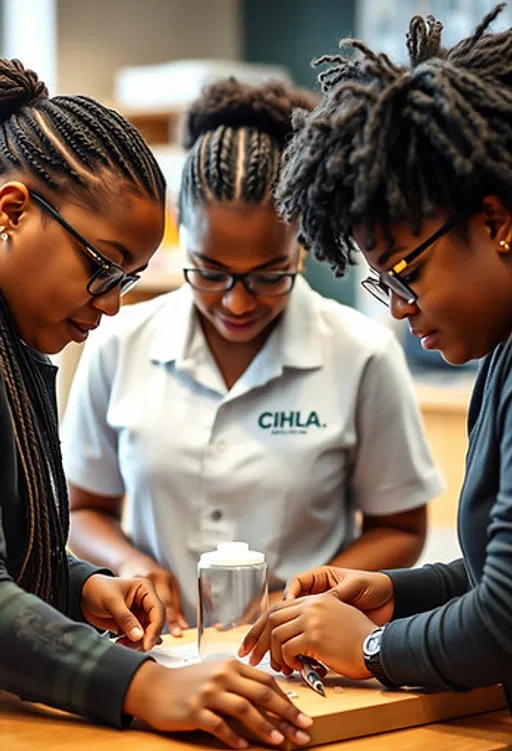
The Fix: Invite your corporate partners into the classroom: metaphorically and literally. Encourage faculty to incorporate real-world case studies and simulations provided by the industry partner. We have found that middle school STEM programs are the missing link because they allow us to start shaping those career pathways early. When corporate experts advise on course content, students gain practical, current knowledge that makes them day-one ready upon graduation.
7. Failing to Prepare for the "Personnel Pivot"
Partnerships are often built on the strength of a single relationship between two individuals. When a key corporate manager is promoted or a university dean retires, the partnership often collapses. In a world of mergers, acquisitions, and shifting market conditions, a partnership that isn't resilient to change is a liability.
The Fix: Plan for continuity from day one. Institutionalize the partnership so that it lives within the organizational structure, not just in a single person's inbox. Build flexibility into your agreements to allow for market shifts, but maintain a commitment to the overarching mission. By fostering multiple points of contact across different departments, you create a web of support that can weather organizational transitions and leadership changes.
Moving Toward a Sustainable Future
As we look to the future, the goal of The Anderson Strategy Group remains clear: to empower organizations to build equity-centered, sustainable STEM pathways that transform communities. We believe that when corporations and educators work together with intentionality, we can unlock the full potential of every student across the K-16 pipeline.
Correcting these mistakes isn't just about operational excellence; it's about our collective responsibility to foster a more inclusive and innovative tomorrow. It requires us to move beyond systemic change in theory and start doing the hard work of implementation. Together, we can create partnerships that aren't just successful on paper, but transformative in practice.
Let us continue to forge these connections, driving progress and shaping a world where every learner has a clear, supported pathway to success. If you're ready to take your partnership strategy to the next level, book a session with us and let’s get to work.

Comments