
Why K-16 Corporate Partnerships Will Change the Way You Think About Talent Pipelines
.jpg/v1/fill/w_320,h_320/file.jpg)
In today’s rapidly evolving global economy, the way we think about hiring, training, and retaining talent is undergoing a massive transformation. For decades, the relationship between corporations and the education sector was largely transactional: a check was written, a photo was taken with a giant cardboard prop, and both parties went their separate ways. But as we navigate a landscape where specialized skills are in high demand and the "skills gap" feels more like a canyon, that old model is no longer enough.
At The Anderson Strategy Group, we believe the future of workforce development isn’t found in a job board or a headhunter’s database. It is found in the intentional, long-term cultivation of K-16 corporate partnerships. By bridging the gap between kindergarten and career, we aren't just filling roles; we are building a sustainable, equity-centered engine for innovation.
The Shift from Transactional to Transformative
In the realm of corporate social responsibility (CSR) and human resources, there is a growing realization that "waiting for talent to graduate" is a losing strategy. If you wait until a student is a senior in college to introduce them to your brand or your industry, you’ve already missed a decade of influence.
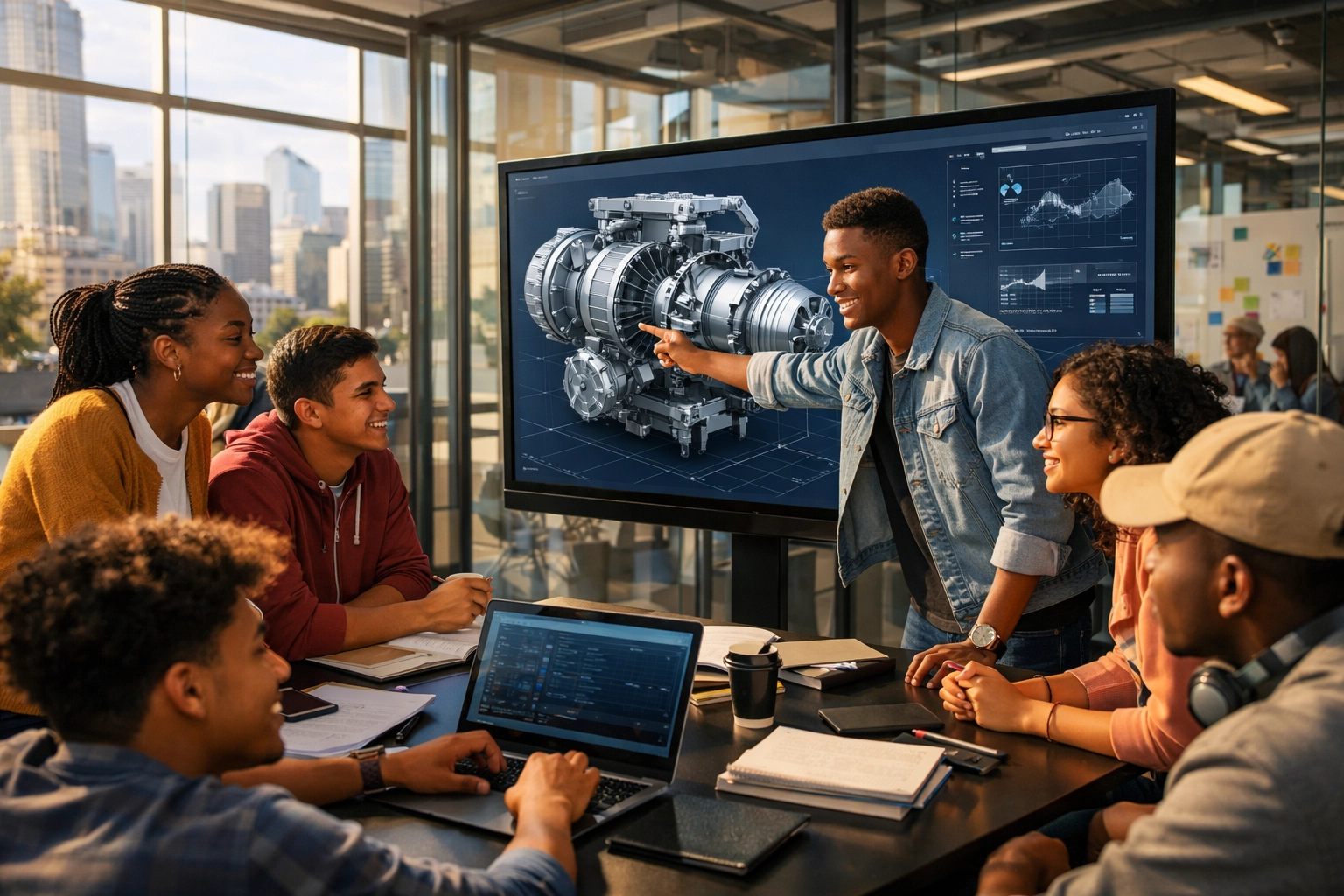
A K-16 partnership model acknowledges that the talent pipeline is a continuum. It starts in elementary school with sparking an interest in STEM and STEAM, moves through middle school where career identities are formed, and extends through postsecondary education where those skills are honed.
When corporations "roll up their sleeves" and get involved early, they move from being passive consumers of talent to active co-creators of it. This isn’t about charity; it’s about strategic, sustainable growth. By partnering with K-12 districts and higher education institutions simultaneously, companies can ensure that the curriculum being taught actually reflects the needs of the modern workplace.

Breaking Down the K-16 Silos
The term "K-16" might sound like educational jargon, but it represents a powerful integration of K-12 school districts, community colleges, and four-year universities. Traditionally, these entities have operated in silos. High schools focus on graduation, community colleges focus on associates degrees or transfers, and universities focus on research and baccalaureate completion.
However, through the collaborative models we advocate for at The Anderson Strategy Group, these boundaries begin to blur for the benefit of the student: and the employer. Recent shifts in regional education planning have shown that when employers occupy a seat at the table: specifically comprising a significant portion of steering committees: the results are transformative.
By aligning regional education and workforce planning, we can create career pathways that connect middle school to entry-level hiring. This creates a seamless transition for students, reducing the "leakage" in the pipeline where talented individuals drop out or change course because they can’t see the light at the end of the tunnel.
Why Equity Must Be the North Star
One of the most significant advantages of a robust K-16 partnership is the ability to address long-standing inequities in the workforce. At the heart of our mission is empowering Black and Brown communities. For too long, high-growth industries: particularly in STEM: have remained inaccessible to diverse populations not because of a lack of talent, but because of a lack of exposure and access.
When we build equity-centered partnerships, we are intentionally designing pathways for students who have been historically marginalized. This isn't just the right thing to do; it's a business imperative. A diverse workforce brings a diversity of thought, which is the primary driver of innovation. By reaching into K-12 districts that serve underrepresented populations, corporations can cultivate a pipeline of brilliant, resilient, and diverse talent that they might have otherwise overlooked.
The "Roll Up Our Sleeves" Approach to Partnership Cultivation
So, what does this look like in practice? It goes far beyond a guest speaker in a high school gymnasium. True partnership cultivation involves a shared responsibility where both the educator and the executive have "skin in the game."
Our approach at The Anderson Strategy Group focuses on these key pillars:
Work-Based Learning: Moving beyond simple internships to integrated apprenticeships and project-based learning where students solve real corporate problems.
Curriculum Co-Design: Bringing industry experts into the room with educators to ensure that the STEM skills being taught in the classroom are the same ones needed in the lab or the field.
Teacher Externships: Empowering educators to spend time in corporate environments so they can bring real-world context back to their students.
Mentorship at Scale: Utilizing corporate employees to mentor students across the K-16 spectrum, providing the social capital that is often the "secret sauce" of career success.
We have seen firsthand that when companies commit to this level of engagement, the "return on investment" is measured in more than just photo opportunities. It is measured in retention rates, innovation metrics, and community stability.
Moving Beyond Systemic Change to Sustainable Impact
We often hear the phrase "systemic change," but what does it actually mean in the context of talent pipelines? It means moving away from boutique, one-off programs that disappear when a specific grant runs out or a CEO retires. It means building partnerships that don’t fall apart after year one.
To achieve this, we help organizations implement frameworks that measure real impact. It’s easy to count the number of students who attended a career fair; it’s much harder: and more valuable: to track how many of those students pursued a specific certification, enrolled in a relevant degree program, and eventually accepted a job offer at your firm. We’ve developed strategies for measuring real impact in CSR partnerships that ensure every dollar and hour spent is driving the needle forward.

The Shared Responsibility of the Future
As we look to the future, the line between "educator" and "employer" will continue to fade. In a world where technology evolves faster than a four-year degree cycle, corporations must become learning organizations, and schools must become workforce incubators.
This shift requires a new mindset. It requires us to stop viewing education as a cost center and start viewing it as an investment in our most precious capital: human potential. Whether you are a school administrator looking to bring real-world relevance to your classrooms, or a corporate leader looking to secure your company’s future, the K-16 model offers a roadmap to success.
At The Anderson Strategy Group, we are dedicated to helping you navigate this journey. With over 18 years of experience in STEM program development and organizational transformation, we understand the nuances of both the boardroom and the classroom. We know the challenges, but more importantly, we know the immense possibilities that arise when we work together.
Let’s Build Something That Lasts
The talent pipeline of tomorrow is being shaped today. It is being forged in the classrooms of our elementary schools and the labs of our community colleges. It is being fueled by corporations that realize their greatest strength lies in the communities they serve.
If you are ready to move beyond traditional hiring and start building a sustainable, equitable, and highly skilled talent pipeline, let us help you take that first step. Together, we can create career pathways that empower individuals and drive our industries to new heights.
Let’s roll up our sleeves and get to work. The future is waiting, and it’s brighter than we ever imagined.
Are you ready to transform your approach to talent? Contact us today to learn more about how we can help you build impactful, sustainable K-16 partnerships.
Comments