
5 Steps How to Turn Surface-Level CSR Into High-Impact K-12 STEM Partnerships
.jpg/v1/fill/w_320,h_320/file.jpg)
In the rapidly evolving landscape of corporate social responsibility (CSR), many organizations find themselves at a critical crossroads where traditional philanthropy no longer suffices to meet the complex demands of the modern workforce. In today’s competitive environment, simply writing a check or hosting a one-off "Career Day" is often perceived as a surface-level gesture that fails to address the deep-seated systemic inequities in our education system. As we navigate the complexities of the 21st-century economy, it has become increasingly clear that for corporate engagement to be truly transformative, it must evolve into high-impact, sustainable partnerships that bridge the gap between the boardroom and the classroom.
At The Anderson Strategy Group, we have seen firsthand how the shift from transactional giving to strategic collaboration can unlock unprecedented potential for both corporations and K-12 institutions. Through our work in fostering STEM and STEAM partnership development, we have identified a proven framework that allows companies to move beyond the "photo op" and toward a model of equity-centered, long-term impact. By aligning corporate expertise with real-world classroom challenges, we can build a future where every student, regardless of their zip code, has a clear pathway to a thriving STEM career.
1. Conduct Deep-Dive Needs Assessments and Align with Local Priorities
The first step in transforming a CSR initiative is to move away from the "solution looking for a problem" approach. In the realm of education, corporate partners often enter schools with a pre-packaged program that may not align with the actual needs of the students or the strategic goals of the district. To build a foundation for success, we must start with comprehensive needs assessments that identify specific workforce gaps in the local region and map them against school priorities.
This process requires active listening and a commitment to understanding the unique ecosystem of each school. Are the students lacking access to modern laboratory equipment? Is there a disconnect between the curriculum and the skills required for entry-level roles in your industry? By identifying these gaps early, organizations can avoid the 7 common mistakes made in education-corporate partnerships. When we align our resources with the genuine needs of the community, we create a partnership that is not only welcomed by educators but also essential to their success.
2. Co-Design Programs with Educators Rather Than Imposing Solutions
Once the needs have been identified, the next phase is to engage in a collaborative co-design process. High-impact STEM partnerships are not built in isolation; they are forged through the shared expertise of industry professionals and classroom teachers. Educators are the experts in pedagogy and student engagement, while corporate partners bring technical knowledge and real-world application. Through this synergy, we can create curricula that are both academically rigorous and professionally relevant.
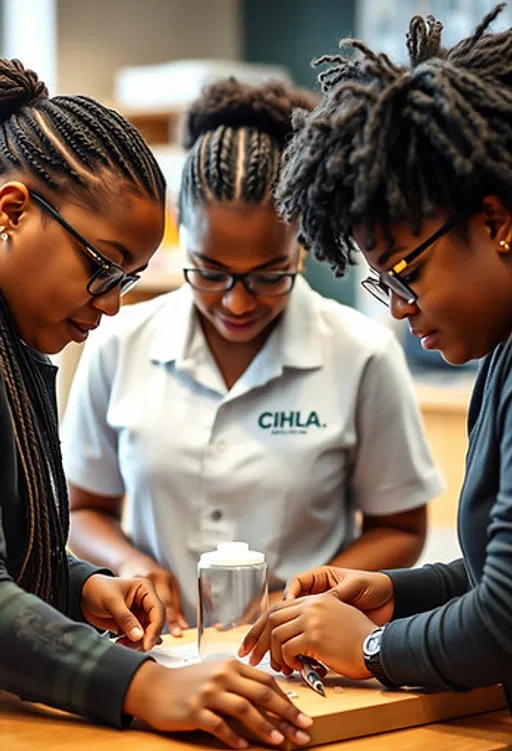
Instead of delivering a static lesson plan, consider how your organization can help integrate real-world career pathways with K-16 education. This might involve co-developing project-based learning modules where students solve actual problems faced by your engineers or data scientists. By involving teachers in the design phase, you ensure that the program is sustainable and can be integrated into the standard school day, rather than being treated as an "extra" burden that eventually falls by the wayside.
3. Deploy Phased, Measurable Implementations with Data Dashboards
A major pitfall of surface-level CSR is the lack of accountability and measurable outcomes. To ensure that your investment is driving real change, it is vital to deploy programs in phased rollouts that allow for testing, learning, and scaling. This methodical approach ensures that the partnership can grow organically while maintaining high standards of quality. Furthermore, we must move toward measuring real impact rather than just photo opportunities.

In today’s data-driven world, corporate partners should receive detailed reporting dashboards that track key performance indicators (KPIs) such as student engagement levels, pre- and post-assessment scores, and long-term interest in STEM careers. These metrics are not just for internal review; they are essential for ESG (Environmental, Social, and Governance) reporting and for demonstrating to stakeholders that the organization is making a tangible difference. When we treat education partnerships with the same operational excellence as our core business functions, we elevate the entire field of corporate philanthropy.
4. Foster Enduring Relationships Through Teacher Professional Development
Sustainability is the hallmark of high-impact partnerships. One of the most effective ways to ensure that a STEM program thrives long after the initial funding has been spent is to invest in the professional development of teachers. By empowering educators with new skills and industry insights, we create a multiplier effect that reaches hundreds of students over many years.
Through transforming educational organizations, we have discovered that teachers who feel supported and equipped are far more likely to champion STEM initiatives within their schools. Corporate volunteers can play a pivotal role here, not just as guest speakers, but as mentors and "externship" hosts for teachers. This deep level of engagement fosters a sense of collective ownership, ensuring the partnership doesn't fall apart after year one. It transitions the relationship from a series of events into a consistent, reliable support system for the school community.
5. Create Seamless Pathways from Middle School to Entry-Level Careers
The final, and perhaps most critical, step is to bridge the gap between classroom learning and actual employment. Many CSR programs focus heavily on elementary students because the engagement is "fun," or on college students because they are closer to hiring. However, middle school STEM programs are often the missing link in the corporate talent pipeline. This is the age where many students, particularly those from underrepresented backgrounds, begin to opt out of the STEM track.
To turn CSR into a high-impact talent strategy, organizations must build STEM career pathways that connect middle school to entry-level hiring. This involves creating a "warm handoff" at every stage of the educational journey: from middle school exploration to high school internships and eventually to collegiate apprenticeships. When students can see a clear, tangible line from their 7th-grade robotics project to a high-paying career at your company, the impact is life-changing. This approach moves the needle on diversity and inclusion by providing equity-centered STEM programs that actively recruit and retain talent from Black and Brown communities.
Cultivating a Legacy of Innovation
As we look to the future, the distinction between "doing good" and "doing good business" will continue to blur. High-impact K-12 STEM partnerships represent a strategic investment in the very fabric of our society and the future of our global economy. By following these five steps: assessing needs, co-designing with experts, measuring real impact, supporting teachers, and building long-term pathways: your organization can move beyond the limitations of traditional CSR to cultivate a legacy of innovation and equity.
Together, we can empower the next generation of innovative thinkers, problem solvers, and changemakers. Whether you are just beginning to explore the world of education partnerships or you are looking to revitalize an existing program, The Anderson Strategy Group is here to help you navigate this journey. Let us continue to build bridges that allow every student to reach their full potential and ensure that our talent pipelines are as diverse and resilient as the world we live in. Through collaboration, dedication, and a commitment to sustainable growth, we can reach new heights and create a brighter tomorrow for all.
Comments