
K-16 Partnerships vs “Career Day”: Which Actually Builds a Real STEM Talent Pipeline?
.jpg/v1/fill/w_320,h_320/file.jpg)
In the realm of modern workforce development, we often hear a recurring concern from C-suite executives: "Where is the talent?" As we navigate the complexities of a technology-driven economy in 2026, the gap between educational output and industry needs has never been more apparent. For years, the traditional corporate response to this "talent gap" has been the high-school Career Day: a well-intentioned afternoon where professionals don their best suits, stand in a gymnasium, and hand out brochures to students who are mostly just happy to be out of math class.
While Career Days provide a momentary spark of interest, we have to ask ourselves a difficult question: Does a one-off presentation actually build a sustainable talent pipeline? Or is it just a feel-good PR moment that leaves the systemic issues untouched?
At The Anderson Strategy Group, we believe it’s time to move beyond the "one-and-done" mentality. If we want to truly solve the workforce crisis and create equitable opportunities in STEM, we must shift our focus toward intentional, long-term K-16 partnerships. These partnerships aren't about a single day of engagement; they are about a 16-year journey of cultivation, beginning in kindergarten and continuing through postsecondary completion and career entry.
The Illusion of Engagement: Why "Career Day" Falls Short
Don't get us wrong: Career Days have their place. They are excellent for initial exposure. However, in the context of building a robust STEM pipeline, they are often the equivalent of trying to grow an oak tree by looking at a seed once a year.
The fundamental issue with isolated events is that they lack continuity. A middle schooler might leave a Career Day feeling inspired to become a software engineer, but if they return to a classroom where the curriculum feels disconnected from that goal, or if they lack the social capital to navigate high school course selection, that inspiration quickly fades.
Moreover, Career Days often suffer from what we call "the senior year scramble." Many corporations wait until a student is a senior in college to start their recruitment efforts. As we often say, by that point, you’ve already missed a decade of influence. You are competing for the same narrow pool of talent as everyone else, rather than having spent years helping to expand and shape that pool.
The Architecture of a K-16 Pipeline
When we talk about K-16 corporate-education partnerships, we are describing a seamless continuum. This isn't a series of disjointed programs; it’s an integrated strategy where corporations transition from being passive consumers of talent to active co-creators of it.
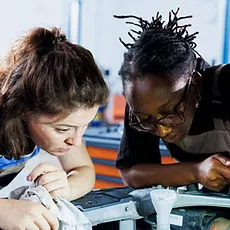
A true K-16 pipeline involves several key layers of engagement:
Early Exposure (K-5): Sparking curiosity and breaking down stereotypes about who belongs in STEM.
Identity Formation (6-8): This is a critical stage. We’ve found that middle school STEM programs are the missing link in the corporate talent pipeline. This is where students decide if they are "math people" or "science people."
Skill Application (9-12): Moving beyond theory to work-based learning, internships, and dual-enrollment opportunities that align with actual industry standards.
Advanced Preparation (Postsecondary): Ensuring that university or technical college training is directly mapped to the evolving needs of the workforce.
By engaging across this entire spectrum, companies ensure that students don't "leak" out of the pipeline at critical transition points: such as the move from high school to college or from college to the workplace.
From PR to Impact: Rolling Up Our Sleeves
One of the hallmarks of The Anderson Strategy Group’s approach is what we call "rolling up our sleeves." We don't just write reports; we get into the trenches with both educators and corporate leaders to build frameworks that actually work.
A common mistake we see is corporations treating education partnerships as a branch of their marketing or CSR (Corporate Social Responsibility) department. While CSR is important, if the goal is talent acquisition, the partnership needs to be handled with the same strategic rigor as any other business operations vertical. This means moving beyond "photo-op" philanthropy.
Real impact stands up to scrutiny. It involves measuring outcomes like student retention in STEM pathways, the alignment of high school certifications with entry-level hiring requirements, and the long-term success of students from underrepresented backgrounds within the company.
Equity as the Engine, Not an Afterthought
As we strive for excellence in STEM, equity must be at the center of the conversation. For too long, "talent" has been defined by who has the most access, not who has the most potential. K-16 partnerships allow us to intentionally bridge the gap for Black and Brown communities that have historically been excluded from high-wage STEM careers.
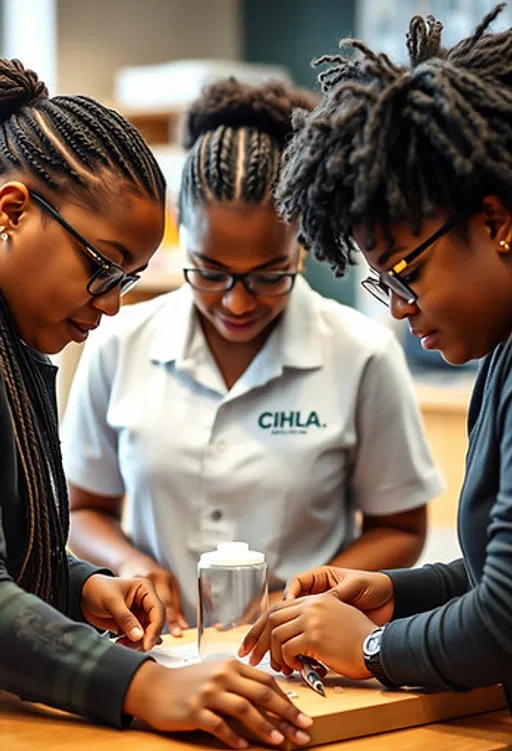
When a corporation commits to a long-term partnership with a school district in an underserved area, they aren't just giving back: they are investing in untapped potential. This involves providing the "social capital" that is often the secret sauce of career success: mentorship, networking, and exposure to the unwritten rules of corporate culture. Our work in empowering Black and Brown communities focuses on ensuring that these students aren't just invited to the table, but are equipped to lead at it.
Equity-centered STEM isn't just about fairness; it's about innovation. Diverse teams solve problems better, and by widening the pipeline, we bring fresh perspectives into the fold that are essential for solving the global challenges of the future.
Beyond the Pilot: Scalability and Sustainability
The landscape of education is littered with "pilot programs" that died the moment the original grant funding ran out or the championing executive moved to a different company. To build a real talent pipeline, we have to design for sustainability from day one.
This requires a shift in how we think about "scaling." Scaling isn't just about making a program bigger; it's about making it more integrated. It involves changing the way teachers teach and the way companies hire. It means building career pathways that connect middle school to entry-level hiring in a way that survives leadership changes.
We often work with organizations to move past the "7 common mistakes" of education partnerships: the most frequent being a lack of clear ownership and a failure to align the partnership with the company's long-term business goals. When a partnership is seen as a core business strategy rather than a "nice-to-have" community project, it gains the institutional support it needs to thrive for decades.
A Shared Responsibility for a Brighter Tomorrow
As we look toward the future, the choice is clear. We can continue with the status quo: relying on occasional Career Days and hoping the talent we need magically appears at our doorstep: or we can take a more proactive, systemic approach.
K-16 partnerships are an admission that the responsibility for education doesn't end at the schoolhouse door. It is a shared responsibility between educators who know how to teach and corporations who know what the future of work looks like. Together, we can create a system where every student, regardless of their zip code, has a clear, supported pathway to a rewarding career.

At The Anderson Strategy Group, we are dedicated to helping you bridge this gap. Whether you are a school district looking to modernize your STEM offerings or a corporation looking to secure your future workforce, the time to start is now. Let’s stop talking about the pipeline and start building it: one intentional, sustainable, and equitable partnership at a time.
As we look to the future, let us continue to push the boundaries of what is possible. By moving beyond the "Career Day" model and embracing the depth of K-16 engagement, we aren't just filling jobs; we are transforming lives and ensuring our collective success in an ever-changing world.
Comments