
Why K-16 Corporate-Education Partnerships Will Change the Way You View Your Talent Pipeline
.jpg/v1/fill/w_320,h_320/file.jpg)
In the realm of modern industry and the rapidly evolving global economy, the way we think about recruitment and talent acquisition is undergoing a fundamental shift. For years, the standard operating procedure for many corporations has been a reactive one: identify a vacancy, post a job description, screen hundreds of applications, and hope that the "perfect" candidate: one who possesses both the technical skills and the cultural fit: magically appears. However, as we navigate the complexities of the 21st-century workforce, it has become increasingly clear that this "wait and see" approach is no longer sufficient to sustain long-term growth and innovation.
At The Anderson Strategy Group, we believe that the solution lies in moving upstream. Instead of waiting for talent to graduate and enter the market, forward-thinking organizations are beginning to view the entire educational journey: from Kindergarten through postsecondary completion (K-16): as their primary talent pipeline. By forging deep, sustainable corporate-education partnerships, we can stop being passive consumers of talent and start becoming active co-creators of the future workforce.
The Shift from Reactive to Proactive Recruiting
Traditional recruiting often feels like a race that starts too late. By the time a student reaches their senior year of college, their career identity, skill sets, and industry preferences are largely set. If your organization isn't already part of their narrative by then, you are competing in a crowded, expensive, and often transactional market.
K-16 corporate-education partnerships flip this model on its head. Through sustained engagement with schools and colleges, employers can extend their recruiting timeline by years, or even decades. This isn't about "getting them while they're young" in a predatory sense; it’s about providing students with the exposure, mentorship, and real-world context they need to see themselves in your industry. When we build these bridges early, we transition from reactive hiring to proactive talent cultivation.
Moreover, this approach allows for a "roll up our sleeves" style of collaboration where we work alongside educators to ensure that what is being taught in the classroom aligns with the durable skills required in the field. This doesn't mean turning classrooms into corporate training centers; rather, it's about translating workforce needs into relevant, engaging learning experiences that benefit the student first and the industry second.
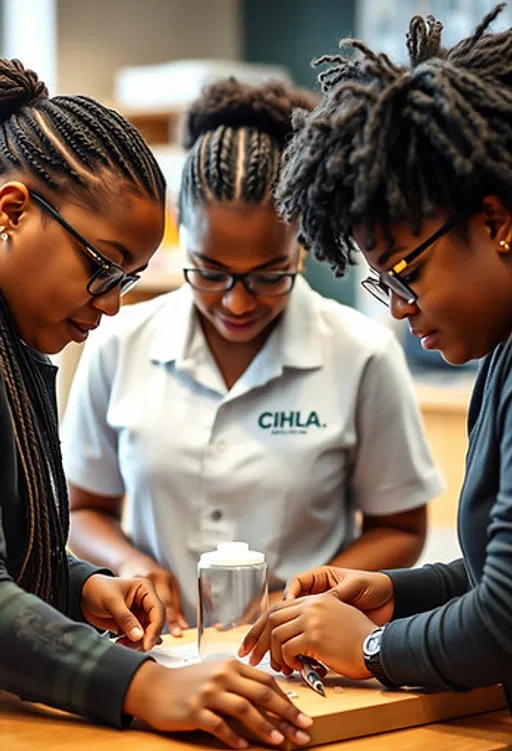
Understanding the K-16 Continuum
A truly sustainable talent pipeline is a continuum, not a series of disconnected segments. A student’s journey through the K-16 pipeline is a decade-plus process of discovery and skill-building. When we wait until the end of that process to engage, we’ve missed thousands of opportunities to influence their path.
Elementary (K-5): This is where curiosity is sparked. Through STEM (Science, Technology, Engineering, and Math) or STEAM (adding Arts to the mix) initiatives, corporations can help young learners see that they are capable of problem-solving.
Middle School (6-8): These are the formative years where career identities begin to take shape. Students start asking, "What am I good at?" and "Where do I fit?" Partnerships focused on hands-on exploration can answer those questions with industry-connected projects.
High School (9-12): This is the bridge. Through dual enrollment, career academies, and paid internships, students begin to acquire the professional credentials and social capital necessary for success.
Postsecondary (13-16): This is the refinement stage. Co-ops, apprenticeships, and specialized research projects allow talent to integrate into corporate culture before they even receive their degree.
By engaging across this entire spectrum, we reduce "pipeline leakage": the phenomenon where talented, capable students drop out of STEM or high-growth career tracks because the path ahead is unclear or they feel they don't belong.
Equity-Centered STEM: The Heart of the Strategy
One of the most critical aspects of our work at The Anderson Strategy Group is ensuring that these partnerships are equity-centered. We have seen firsthand that talent is distributed equally, but opportunity is not. When we design corporate-education partnerships with an intentional focus on historically marginalized and underserved populations, we don't just "do good": we drive better business results.
Diverse teams are more innovative, more resilient, and better at problem-solving. However, building a diverse workforce requires more than just inclusive hiring practices; it requires an equity-centered approach to the talent pipeline. By providing STEM and STEAM partnership development that targets underrepresented youth, we ensure that every student has the tools and the confidence to pursue high-wage, high-demand careers.

Closing the Skills Gap Through Co-Creation
We often hear employers complain about a "skills gap," while educators simultaneously struggle to understand the ever-shifting demands of the workforce. This gap exists because of a lack of communication and shared responsibility.
Through our partnership cultivation services, we help bridge this divide. Instead of corporations simply donating money or "photo-op" equipment, we encourage them to become co-creators of the curriculum. This involves sitting at the table with district leaders and college deans to align regional workforce planning with educational standards.
When industry professionals mentor students on real-world capstone projects, students gain "durable skills": communication, critical thinking, and adaptability: that travel with them throughout their careers. For the corporation, this provides a low-risk environment to assess talent through skill-based performance rather than just a resume.
Moving Beyond "Check-the-Box" CSR
Let’s be honest: many corporate-education efforts fall under the umbrella of Corporate Social Responsibility (CSR) and are often treated as "nice-to-have" charity work. While the philanthropic intent is appreciated, these surface-level engagements rarely lead to systemic change or a stronger talent pipeline.
To truly change the way you view your talent pipeline, you must move beyond the "check-the-box" mentality. This means measuring real impact rather than just counting the number of students who attended a one-hour assembly. We’ve written extensively on how to measure real impact in education partnerships because we believe that what gets measured gets managed.
Sustainable partnerships require a "roll up our sleeves" commitment. It means showing up for steering committee meetings, providing high-quality work-based learning opportunities, and being willing to adapt corporate culture to welcome the next generation of talent.
The Anderson Strategy Group’s Approach
With over 18 years of experience, Dr. Natoshia Anderson and our team have dedicated ourselves to forging these vital connections. We don't just provide advice; we serve as the strategic bridge between the boardroom and the classroom. We understand the language of both worlds, and we know how to align corporate goals with educational outcomes to create a win-win scenario.
Our approach is grounded in the belief that education is the most powerful tool we have for economic mobility and corporate innovation. Whether we are developing a new STEM program for a school district or helping a Fortune 500 company rethink their community engagement strategy, our focus remains on scalability, sustainability, and equity.
A Call to Action for a Brighter Tomorrow
As we look to the future, the complexity of the challenges we face: from climate change to digital transformation: requires a workforce that is more creative and technically proficient than ever before. We cannot afford to leave any talent on the sidelines.
Investing in K-16 corporate-education partnerships is not just a strategic business move; it is a commitment to the collective success of our communities. It is about building a world where every student, regardless of their zip code, has a clear pathway to a fulfilling career and every company has access to the diverse, skilled talent they need to thrive.
Together, we can redefine the talent pipeline. Let us stop looking for talent and start cultivating it. By joining forces, we can empower the next generation of innovative thinkers, problem solvers, and changemakers to reach their full potential and lead us to new heights.
If you are ready to move beyond systemic change and start building a sustainable, equity-centered talent pipeline, we invite you to book a consultation with us. Let’s roll up our sleeves and get to work on building a brighter tomorrow, one partnership at a time.
Comments